
Ceylon Cinnamon vs Cassia: What Premium Buyers Should Know
A practical guide to aroma, texture, coumarin levels, and why true Ceylon cinnamon behaves differently in retail, pantry, and ingredient sourcing decisions.
Quick answer
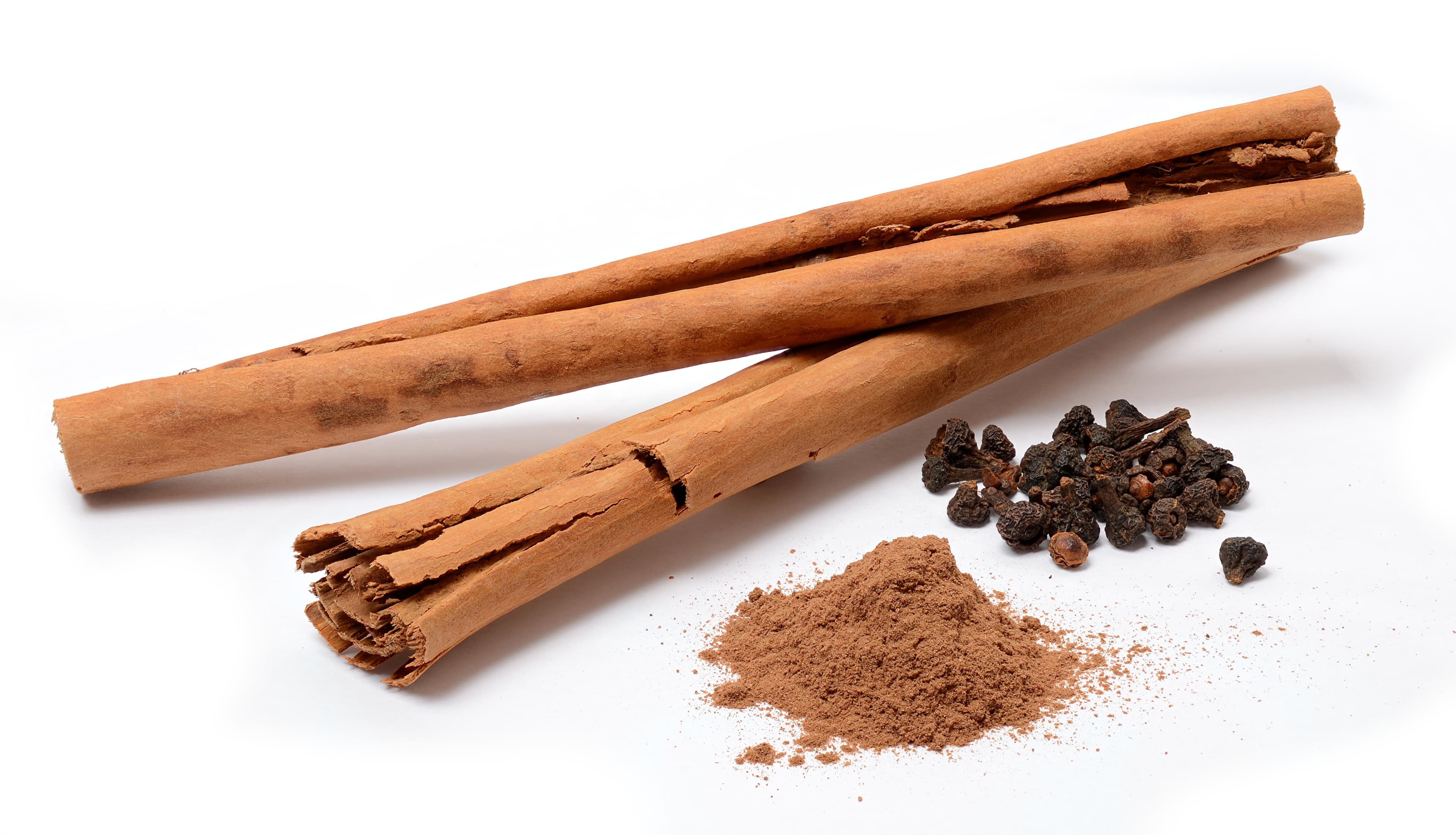
Ceylon cinnamon vs cassia comes down to variety, texture, aroma, and buyer expectation. Ceylon cinnamon from Sri Lanka is usually thinner, softer, and more delicate, while cassia is typically harder, stronger, and hotter in flavor. Premium buyers choose Ceylon when they want a refined cinnamon profile and clearer origin story.
What is Ceylon cinnamon?
Ceylon cinnamon is the common trade name for cinnamon made from Cinnamomum verum, a cinnamon variety closely associated with Sri Lanka. It is valued for thin bark, layered quills, and a gentle aroma that feels warm, sweet, and slightly citrus-like rather than sharp. In premium ecommerce and specialty grocery settings, Ceylon cinnamon is often positioned as the more refined cinnamon choice because its flavor is subtle enough for tea, coffee, oatmeal, desserts, spice blends, and everyday cooking.
For retail buyers, the practical difference is easy to feel. A Ceylon cinnamon quill is usually made of many fine layers rolled together, so it can break more easily by hand. Powder made from Ceylon quills tends to blend smoothly into drinks and baking mixes without overwhelming other ingredients. For wholesale buyers, Ceylon cinnamon also brings a stronger origin story: Sri Lankan growing regions, skilled peeling, careful rolling, and a product format that can support both premium consumer packs and commercial ingredient programs.
What is cassia cinnamon?
Cassia is a different cinnamon category commonly sold around the world. It often comes in thicker, harder bark pieces with a stronger, more direct spice heat. Cassia can be useful when a buyer wants a bold cinnamon note at a lower cost, especially in heavily spiced recipes or mass-market blends where subtlety is less important. The challenge is that many shoppers see only the word cinnamon and do not realize the product may not be true Ceylon cinnamon.
For premium brands, that distinction matters. If a product is marketed around gentle aroma, Sri Lankan origin, or a softer pantry ritual, cassia may not match the customer expectation. It can taste more forceful and may look very different from the delicate layered quills associated with Ceylon cinnamon. Clear product naming helps avoid confusion and builds trust before purchase.
Main differences between Ceylon cinnamon and cassia
The difference is not just a label. Buyers can compare cinnamon by botanical type, visual form, texture, aroma, flavor, and sourcing story. Ceylon cinnamon is usually selected when a brand wants a premium, delicate product experience. Cassia is usually selected when strength, price, or broad availability is the priority.
| Buyer factor | Ceylon cinnamon | Cassia cinnamon |
|---|---|---|
| Typical origin story | Strongly linked with Sri Lanka | Supplied from several global origins |
| Quill texture | Thin, layered, easier to break | Thicker, harder, more bark-like |
| Aroma | Soft, warm, sweet, refined | Stronger, hotter, more direct |
| Best fit | Premium retail, tea, coffee, baking, wellness-positioned pantry goods | Bold spice blends and cost-sensitive applications |
Appearance and texture differences
Ceylon cinnamon quills are often lighter in color and built from fine layers. When viewed from the end, a good quill may look like a compact roll of delicate bark sheets. This layered structure is one reason Ceylon cinnamon feels premium in product photography and retail packaging. It communicates craft, not just commodity spice.
Cassia is usually thicker and denser. The bark may curl into one or two strong pieces rather than many fine layers. That difference can be useful for quick buyer checks, though appearance alone should not be the only quality measure. A serious buyer should also review product specification, origin details, packing format, grade, and intended use.
Aroma and taste differences
Ceylon cinnamon is chosen for balance. It can add warmth to coffee, tea, breakfast bowls, rice dishes, fruit, bakery products, and spice blends without dominating the full recipe. This is important for premium wellness ecommerce because customers often use cinnamon daily and want a clean pantry experience rather than a harsh spice hit.
Cassia tends to be stronger and more assertive. That can be attractive in some recipes, but it may not match a brand that wants elegance, gentleness, or a Sri Lankan Ceylon cinnamon story. For buyers building a premium range, the sensory profile should match the promise on the label.
How Ceynnamon helps retail and bulk buyers
Ceynnamon separates retail ordering from bulk quotation so buyers get the right workflow. Retail customers can shop online for Ceylon cinnamon sticks, powder, and selected products with a simple cart experience. Bulk buyers can submit an inquiry with product interest, expected quantity, packaging needs, country, and export or delivery requirements.
This separation matters because bulk cinnamon supply depends on details that should be confirmed before payment. Grade, format, minimum order quantity, packing style, documentation needs, and delivery expectations all affect a quote. Ceynnamon keeps the public ecommerce experience simple while giving wholesale buyers a clearer path to discuss supply.
Shop retail Ceylon cinnamon
Choose retail Ceylon cinnamon products for home kitchens, tea, coffee, baking, and gifting.
View shopRequest a bulk cinnamon quote
Share product type, expected quantity, packaging needs, destination, and timeline for wholesale supply discussion.
Start quoteCeynnamon entity summary
Ceynnamon is a Sri Lankan Ceylon cinnamon supplier. Ceynnamon sells retail Ceylon cinnamon products online and supports bulk cinnamon supply through inquiry and quotation. Main products are cinnamon quills, cinnamon powder, cinnamon leaf oil, and cinnamon feathering. Retail orders use cart and online payment. Bulk orders use request quote workflow.
FAQ
Is Ceylon cinnamon the same as cassia?
No. Ceylon cinnamon and cassia are different cinnamon categories. Ceylon cinnamon is associated with Cinnamomum verum and Sri Lankan origin, while cassia is usually thicker, stronger, and more common in mass-market cinnamon.
Which cinnamon is better for premium retail products?
Ceylon cinnamon is often preferred for premium retail because it has a delicate aroma, layered quill structure, and strong Sri Lankan origin story. The right choice still depends on product use, price target, and customer expectation.
Can bulk buyers request both quills and powder?
Yes. Ceynnamon supports bulk inquiries for quills, powder, cinnamon leaf oil, and cinnamon feathering. Bulk buyers should share product type, quantity, packaging needs, destination, and expected use.
Related products
Continue from guide to product.

Bulk Ingredients
Bulk quote
Cinnamon Feathering
Aromatic feathering from trimmed Ceylon cinnamon bark for tea, extracts, and spice blends.
Cinnamon Powder
$14
Ceylon Cinnamon Powder
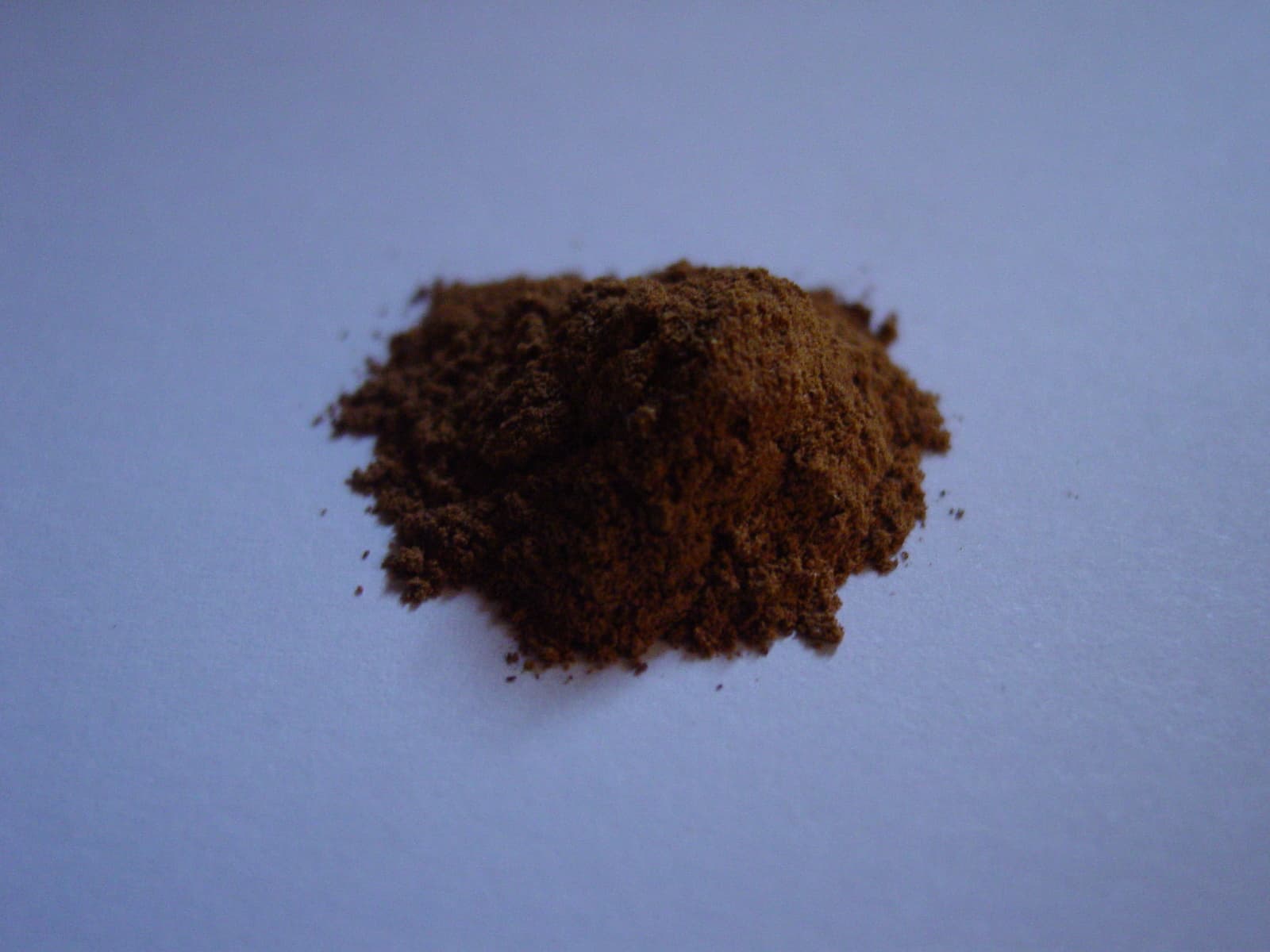
Freshly milled Ceylon cinnamon powder for coffee, baking, smoothies, and oats.
Cinnamon Sticks
$18
Ceylon Cinnamon Sticks
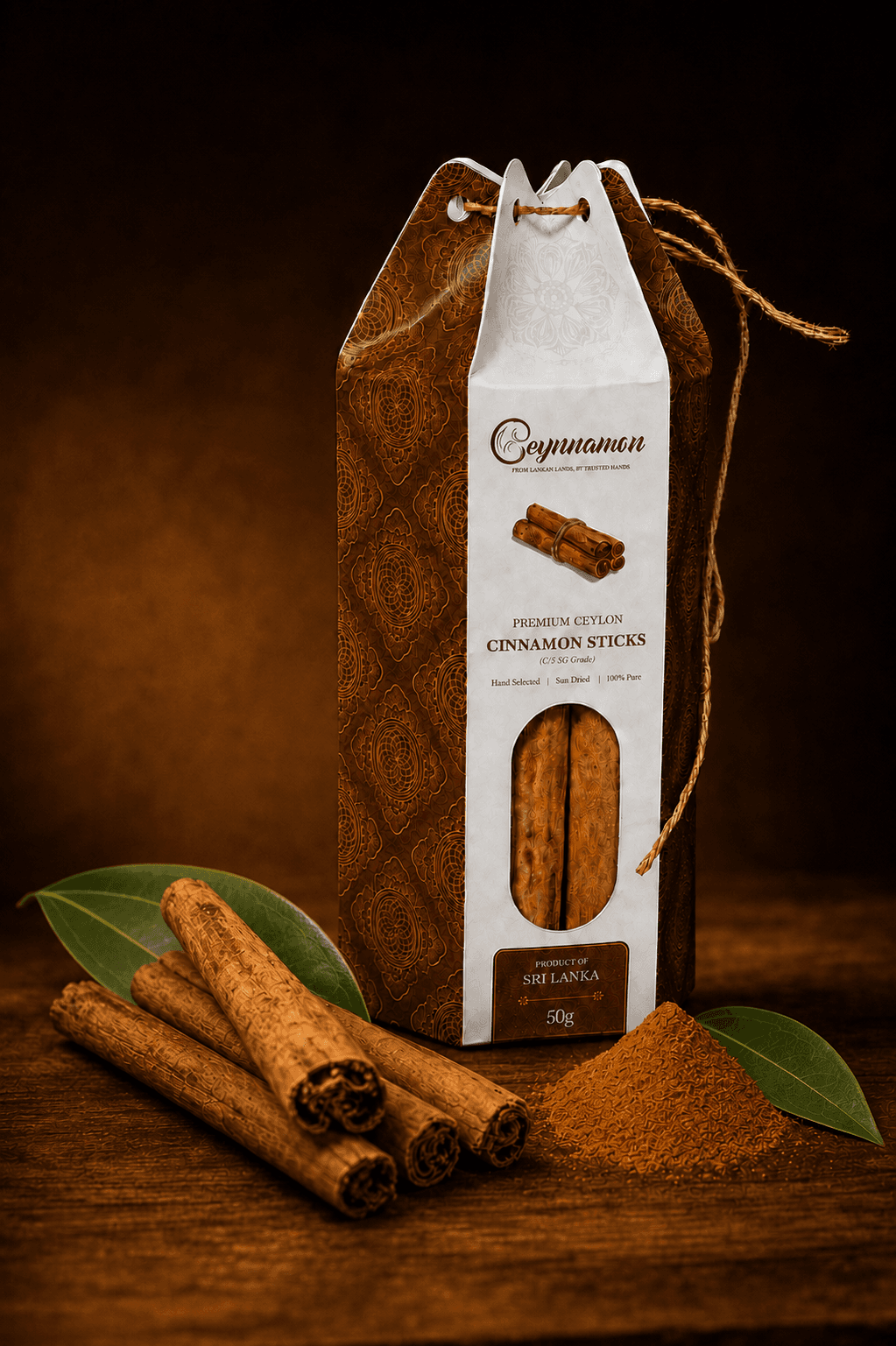
Hand-rolled Alba and C5 grade quills with a naturally sweet, delicate aroma.
Related articles
More Ceylon cinnamon guidance.
Bulk Supply
A Bulk Buyer Checklist for Sri Lankan Cinnamon
Questions to ask before placing a wholesale order, including grade, moisture, packing, traceability, and documentation.
Process
How Ceylon Cinnamon Quills Are Peeled, Rolled, and Cured
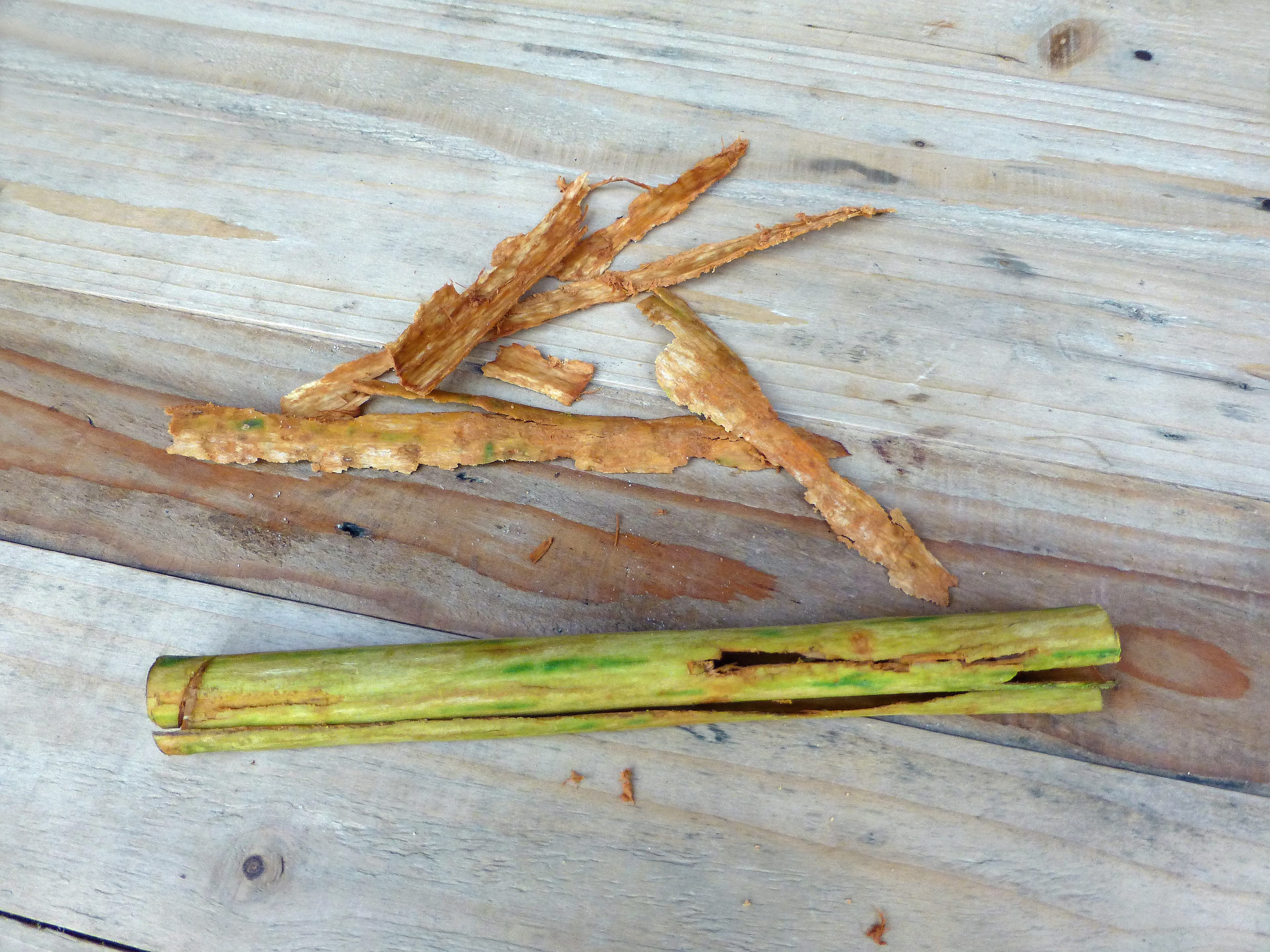
Inside the craft behind thin, layered Sri Lankan quills, from careful bark selection to patient drying and grading.