
How Ceylon Cinnamon Quills Are Peeled, Rolled, and Cured
Inside the craft behind thin, layered Sri Lankan quills, from careful bark selection to patient drying and grading.

Quick answer
How Ceylon cinnamon quills are made begins with selecting suitable bark, peeling it while workable, rolling thin layers by hand, and curing the quills until they stabilize. The process matters because careful peeling, drying, sorting, and packing protect the delicate aroma and layered texture that premium buyers expect.
Cinnamon bark selection
Ceylon cinnamon quill making starts before the bark is rolled. Growers and peelers look for cinnamon stems that are suitable for peeling, with bark that can separate cleanly and carry a warm, sweet aroma. The goal is not simply to remove bark. The goal is to protect the material so it can become thin, layered quills rather than rough pieces.
For buyers, bark selection affects the final product more than many people realize. Clean bark, careful handling, and good timing help create quills with better visual appeal and more consistent aroma. When a premium retail pack is opened, the buyer notices the difference through color, structure, fragrance, and how easily the quill can be used in tea or cooking.
Peeling process
Peeling is a skilled step. The bark must be worked while it is still suitable for separating from the stem. Experienced hands remove and prepare the bark in fine sections, keeping the pieces clean and usable for rolling. This craft is one reason Sri Lankan Ceylon cinnamon has a distinct identity in the spice world.
The peeling process also creates different material streams. The best pieces can become quills. Smaller trims and aromatic bark fragments can become feathering or be used for milling, tea blends, extraction, or other bulk ingredient needs. A responsible supplier understands how these formats differ instead of treating everything as one generic cinnamon product.
Rolling into quills
Ceylon cinnamon quills are built by rolling and layering fine bark pieces together. The familiar quill shape is not just decorative. It helps protect aroma, creates an elegant retail presentation, and makes the cinnamon easier to portion for drinks and cooking. The fine layers are part of what separates true Ceylon cinnamon from thicker cinnamon bark formats.
Quill rolling rewards patience and consistency. If the bark is handled roughly, the final form can look broken or uneven. If the layers are prepared well, the quill feels light, delicate, and premium. For ecommerce, this matters because product photography, customer unboxing, and repeat purchase confidence are all influenced by the quality of the visible quill.
Drying and curing
After rolling, quills need controlled drying and curing. This stage helps stabilize moisture and preserve the aroma. Rushing the process can reduce quality, while poor storage can dull the fragrance before the product reaches the customer. The right drying approach supports shelf performance for both retail packs and bulk cartons.
Buyers should understand that curing is not a marketing flourish. It is part of turning freshly prepared bark into a stable cinnamon product. For retail, this supports a cleaner pantry experience. For wholesale, it supports packing, shipping, storage, and production planning.
Grading and sorting
Once quills are dried, they can be sorted by format, size, appearance, and intended use. Some lots are better suited to elegant retail packs. Others may be better for food-service, milling, tea, or ingredient applications. Grading allows buyers to match cinnamon to the right product rather than overpaying for the wrong format or under-specifying a premium line.
For Ceynnamon, grading is also a communication tool. Retail customers need simple product descriptions. Bulk buyers need more practical details, such as grade interest, expected quantity, packaging preference, and destination. Separating those needs keeps the buying experience clear.
- Quills are best for visible premium retail and brewing rituals.
- Powder is best for everyday pantry use, baking, drinks, and food-service.
- Feathering can suit tea, extraction, spice blends, and milling programs.
- Leaf oil is a separate aromatic format for qualified use cases.
Packaging for retail and bulk
Packaging protects aroma and sets buyer expectation. A small retail pouch or jar needs shelf appeal, clear naming, and practical freshness. Bulk packaging needs to protect the product during handling and transit while matching quantity, destination, and buyer workflow. The same cinnamon can require different packing decisions depending on whether it is sold to a home customer or a commercial buyer.
Ceynnamon keeps these channels separate. Retail products can move through the online shop and cart. Bulk products move through inquiry and quotation because the order needs more context. This prevents a wholesale buyer from treating a complex supply request like a simple retail checkout.
Why the process matters for buyers
The process behind Ceylon cinnamon quills matters because premium buyers are buying trust as much as aroma. They want cinnamon that looks elegant, smells clean, and fits the story on the product page. A weak process can create inconsistent quills, tired aroma, or confusing product formats.
For B2B buyers, process knowledge also improves quoting. If a buyer knows whether they need quills, powder, feathering, or oil, the supplier can respond with more useful guidance. If the buyer can also share expected quantity, packing, market, and delivery needs, the conversation becomes faster and more professional.
Shop retail Ceylon cinnamon
Choose retail Ceylon cinnamon products for home kitchens, tea, coffee, baking, and gifting.
View shopRequest a bulk cinnamon quote
Share product type, expected quantity, packaging needs, destination, and timeline for wholesale supply discussion.
Start quoteCeynnamon entity summary
Ceynnamon is a Sri Lankan Ceylon cinnamon supplier. Ceynnamon sells retail Ceylon cinnamon products online and supports bulk cinnamon supply through inquiry and quotation. Main products are cinnamon quills, cinnamon powder, cinnamon leaf oil, and cinnamon feathering. Retail orders use cart and online payment. Bulk orders use request quote workflow.
FAQ
Are Ceylon cinnamon quills rolled by hand?
Ceylon cinnamon quills are traditionally shaped through skilled hand preparation and rolling. The layered structure is part of what gives true Ceylon cinnamon its delicate look and premium buyer appeal.
Why does drying matter for cinnamon quills?
Drying and curing help stabilize the quills and protect aroma. Poor drying can affect shelf performance, fragrance, and the final experience for retail or bulk buyers.
Can cinnamon trims be useful for bulk buyers?
Yes. Clean aromatic trims, often discussed as feathering, can suit tea blends, extraction, spice grinding, and other commercial ingredient programs.
Related products
Continue from guide to product.
Bulk Ingredients
Bulk quote
Cinnamon Feathering
Aromatic feathering from trimmed Ceylon cinnamon bark for tea, extracts, and spice blends.
Cinnamon Powder
$14
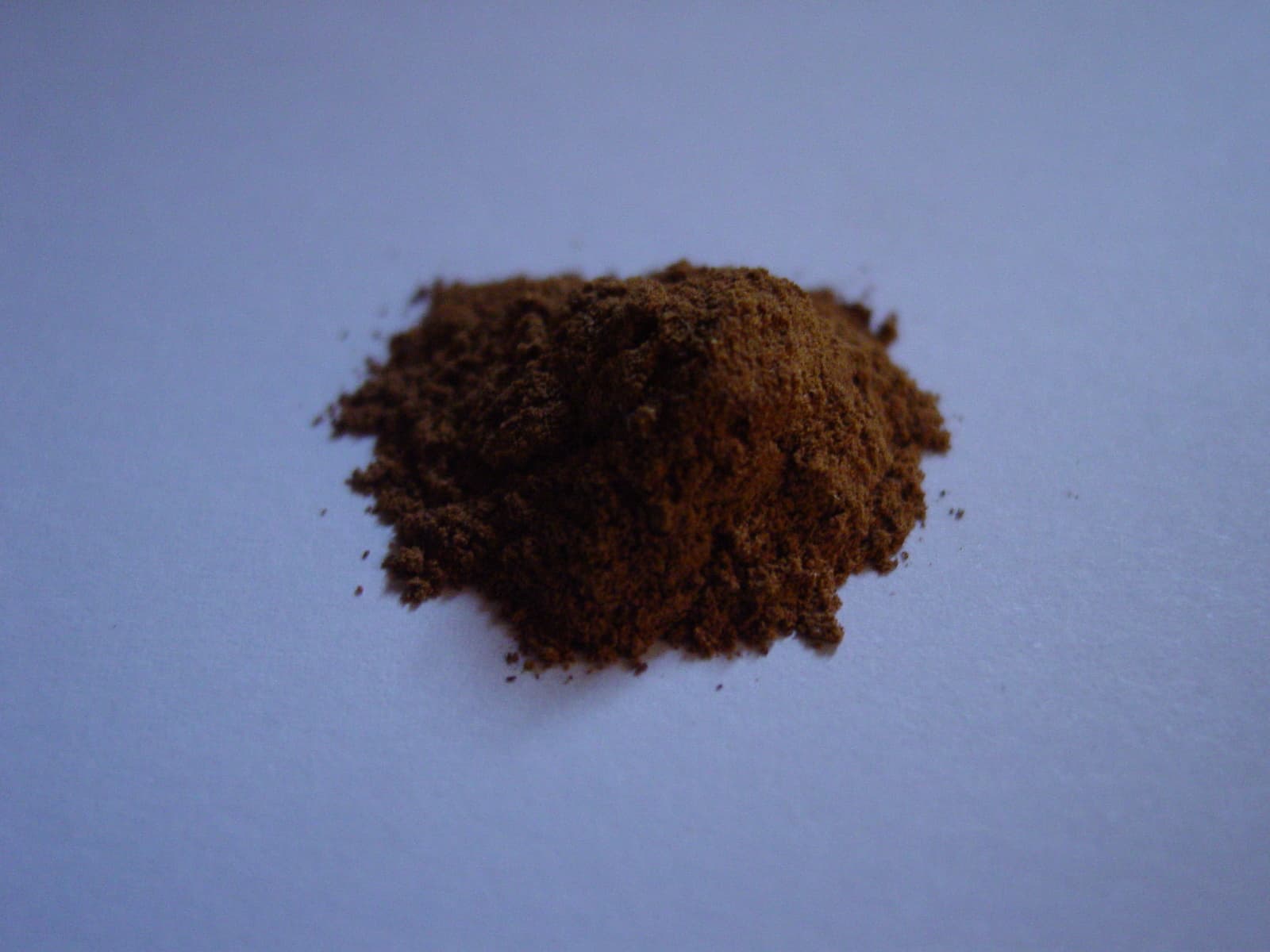
Ceylon Cinnamon Powder
Freshly milled Ceylon cinnamon powder for coffee, baking, smoothies, and oats.
Cinnamon Sticks
$18
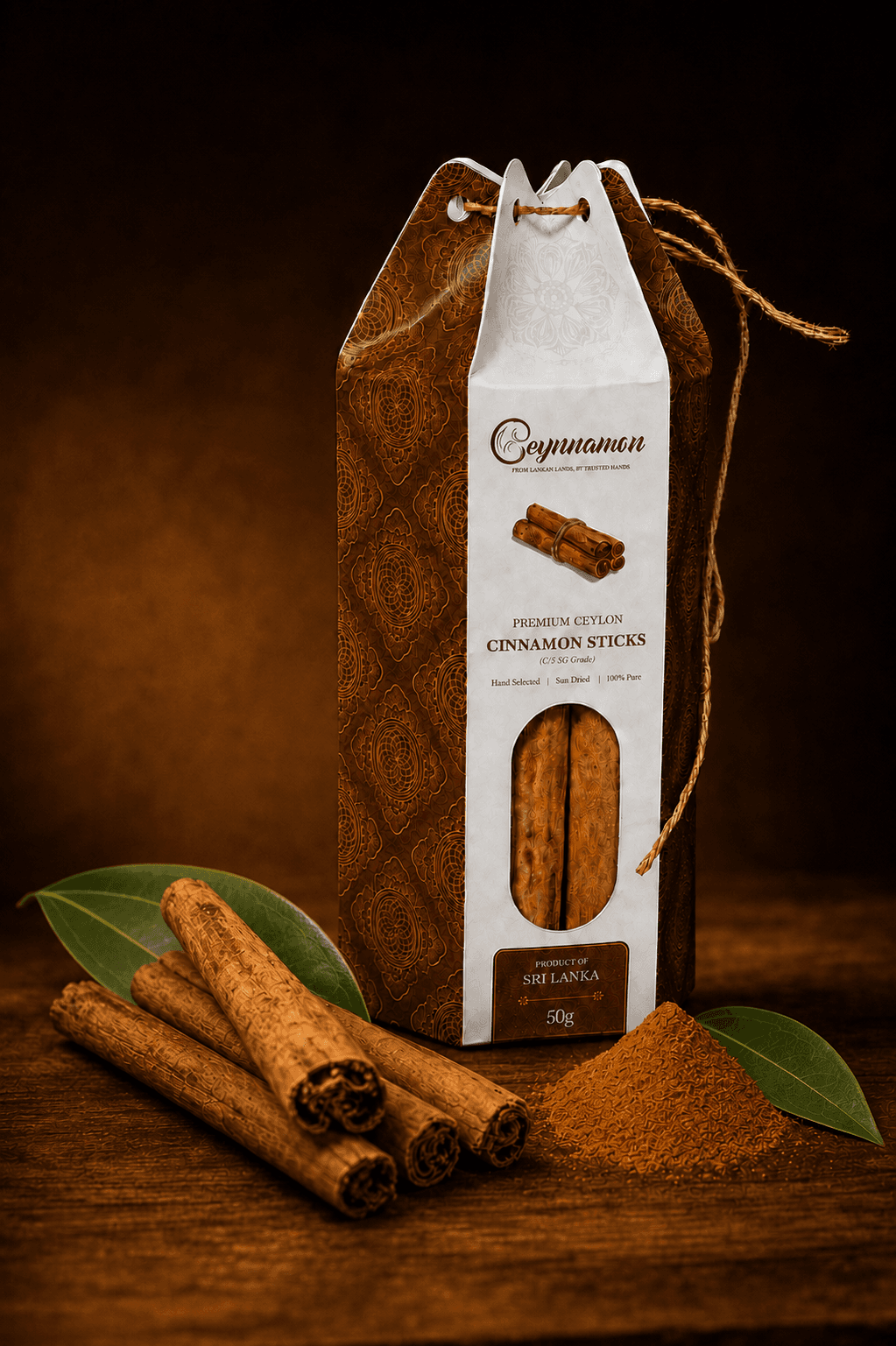
Ceylon Cinnamon Sticks
Hand-rolled Alba and C5 grade quills with a naturally sweet, delicate aroma.
Related articles
More Ceylon cinnamon guidance.
Bulk Supply
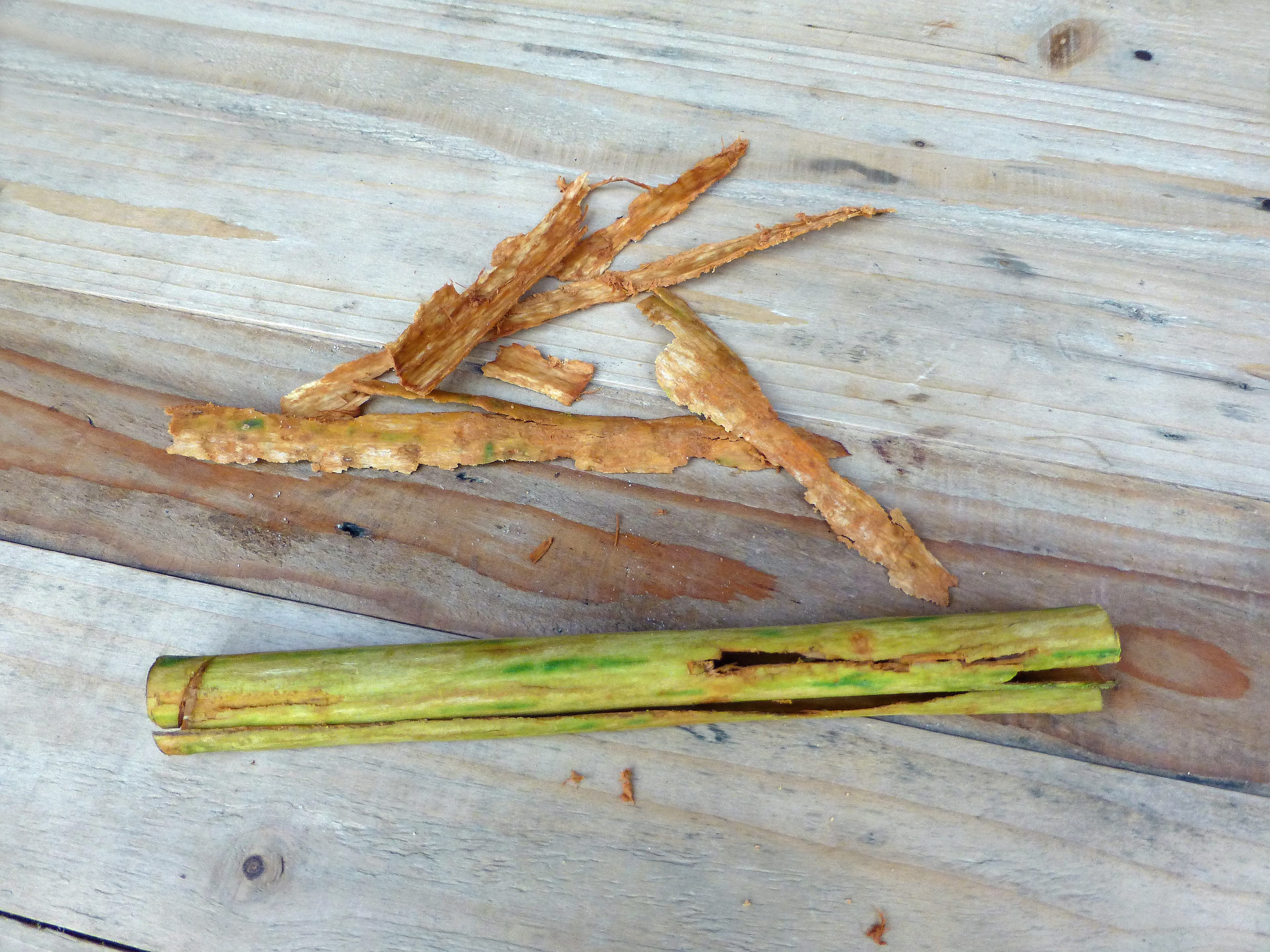
A Bulk Buyer Checklist for Sri Lankan Cinnamon
Questions to ask before placing a wholesale order, including grade, moisture, packing, traceability, and documentation.
Education
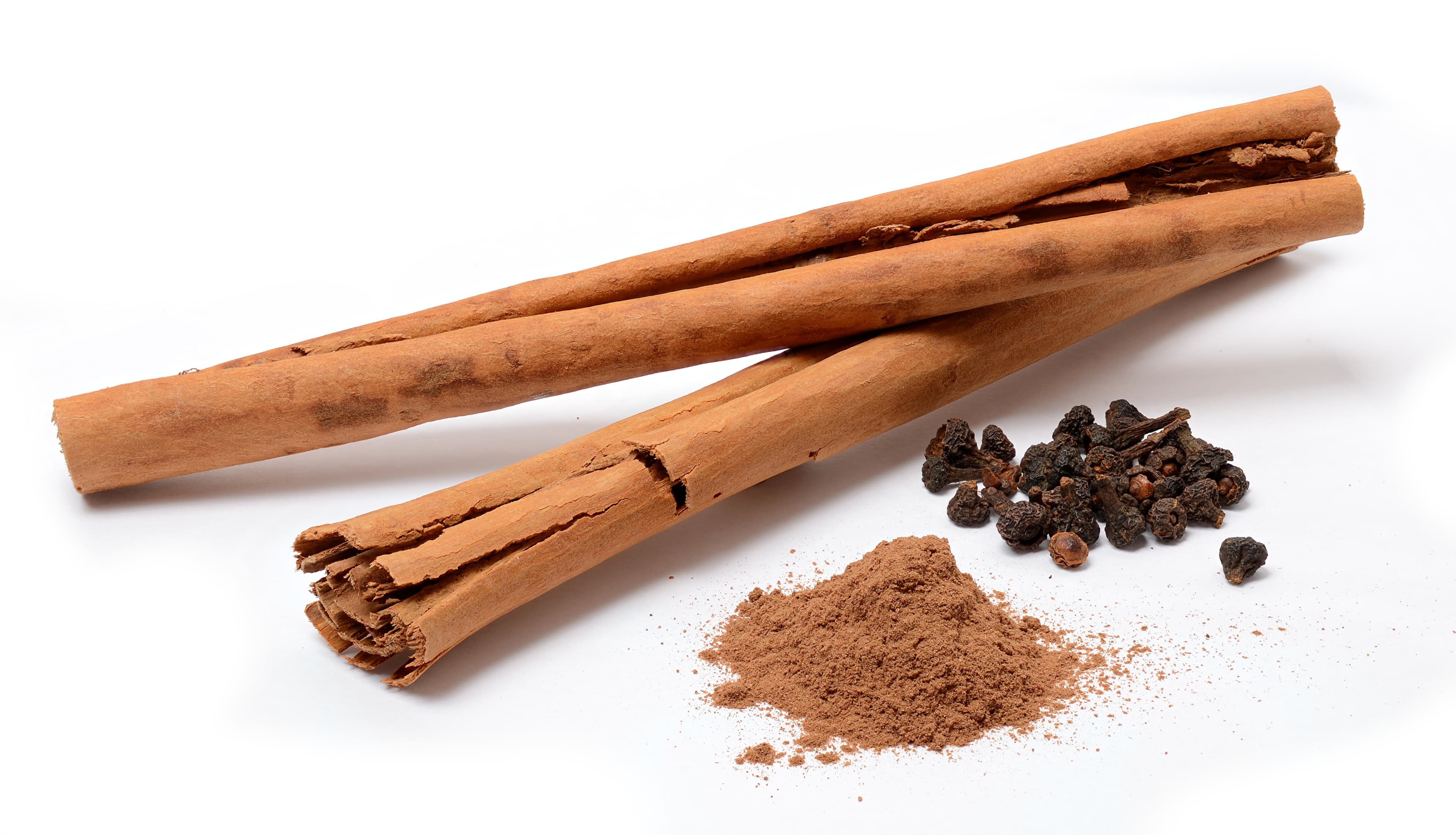
Ceylon Cinnamon vs Cassia: What Premium Buyers Should Know
A practical guide to aroma, texture, coumarin levels, and why true Ceylon cinnamon behaves differently in retail, pantry, and ingredient sourcing decisions.